News Round Up: Autumn 2026

News Round Up: Autumn 2026

We are now into the midst of autumn, and Suffolk is full of golden colour from the leaves and the low sunlight. Read more highlights from across the Trust this autumn.

We are now into the midst of autumn, and Suffolk is full of golden colour from the leaves and the low sunlight. Why not make the most of the daylight by spending time outside and explore our nature reserves, with over 50 reserves across the county which are all free to visit.

At this time of year, our team are busy on the nature reserves this autumn working on woodland management and carrying out seasonal maintenance.

Meanwhile, our Nature Action team have been busy launching the Hedgehog-Friendly County campaign and our communications team ran the Festival of Nature, which was a brilliant three weeks of nature-inspired activity across the county. 

Read more highlights from across the autumn… 

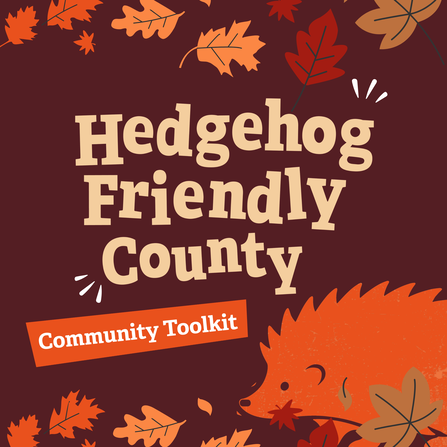
Hedgehog Friendly County

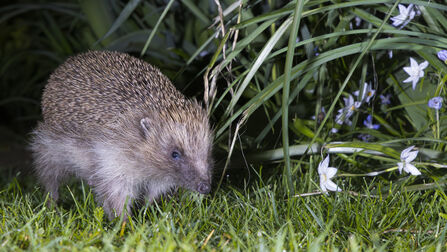
We have recently launched Hedgehog-Friendly County, a new campaign to save Suffolk’s Hedgehogs by encouraging everyone to take small but vital action.

Hedgehogs are vulnerable to extinction in Great Britain; their numbers have fallen by 30% to 75% since the year 2000. To stop the decline and put the population on the road to recovery, we are campaigning for households, communities, schools and businesses to join our mission to make Suffolk a Hedgehog Friendly County.

The campaign has been developed and designed in-line with Britain’s National Hedgehog Conservation Strategy 2025, which reveals the key contributors to hedgehog declines and identifies the change that’s desperately needed.

We’ve created new resources to help local people - including you - take the action needed to save hedgehogs and make our county hedgehog-friendly. Discover our accessible toolkits on the webpage. 

It’s been great to see people add their pledges to help hedgehogs to our map. Add you action here. 
Festival of Nature

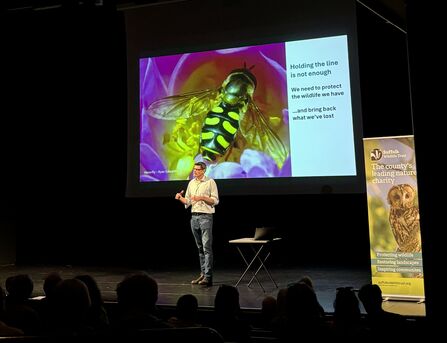
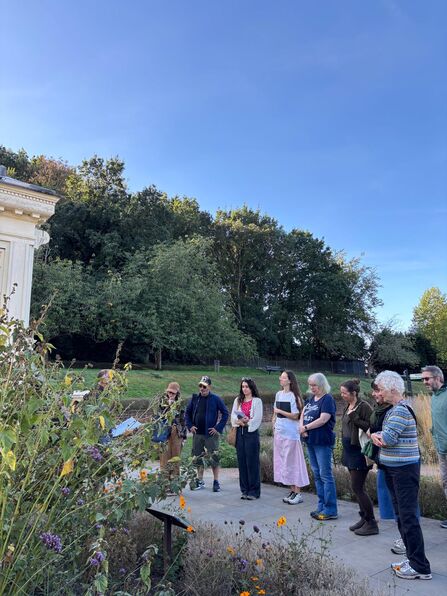
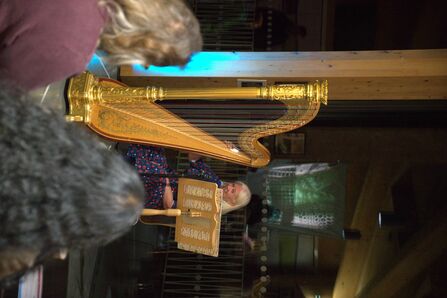
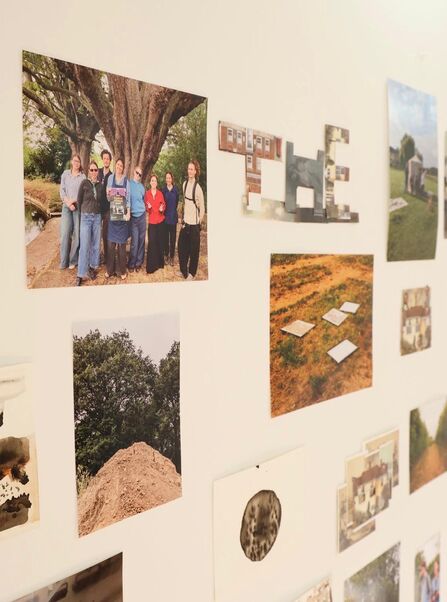
We loved welcoming you to events across the county, to see communities come together and feel inspired by the fantastic nature and landscapes we have here in Suffolk.  

The festival was organised as a fringe-style programme, with over 80 events taking place across the county. We collaborated with a range of brilliant local partners, championing independent businesses and artists throughout the programme. 

Highlights included the Open Evening at Carlton Marshes (featuring a light and sound installation created by artist Henry Driver), natural dye workshop with Nabil Ali, collaboration with Gainsborough’s House, book talks in collaborations with Ipswich Book Festival and Bury Literature Festival and much more. Read our highlights blog here.

We had some lovely feedback from people who attended “We made new friends, spotted flora and fungi along the way, and picked up some fascinating local history while slowing down and settling into nature.”

Habitat restoration on the Orwell Estuary 

We have partnered with Harwich Haven Authority to restore vital bird habitat at Trimley Marshes on the Orwell Estuary. 

The project is restoring an intertidal island at Trimley Marshes Nature Reserve, near Trimley St Mary in south-east Suffolk. The reserve is managed by Suffolk Wildlife Trust and provides important habitat for a wide range of wildlife, particularly wetland and migratory birds.

Approximately 8,000 cubic metres of sand and gravel sediment - equivalent to around three Olympic-sized swimming pools - will be carefully spread across an existing island to restore and enhance the habitat and make it more resilient to the impacts of climate change. The material will be transferred to the island during routine maintenance dredging of the River Orwell channel by Harwich Haven Authority.

Once complete, the restored island will provide valuable nesting, roosting and feeding habitat for birds including lapwing, redshank, godwit, and teal. 

Follow Trimley Marshes on Facebook for more updates. 

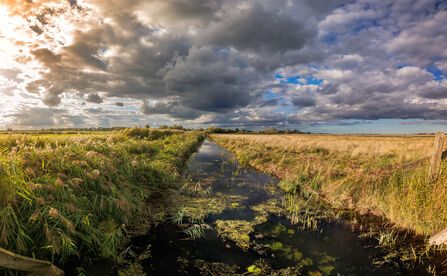
Sunrise over a wetland estuary with pools, mudflats and saltmarsh

Levington Lagoon - Ronnie Roberts

Magic of the Marshes project

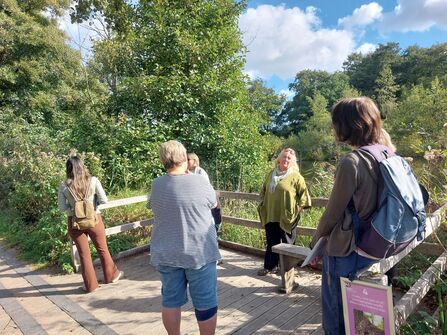
The Magic of the Marshes project has been a storytelling project in collaboration with Suzanne Arnold, creating nature connections at Carlton Marshes nature reserve. Through storytelling, local wildlife and community memories, the project explores the many layers of history that have shaped these remarkable marshes.

The project has gathered visitors' "magic moments" from the marshes, explored the landscape and collected illustrations through creative workshops, and worked with local experts to uncover stories of the people, places and creatures that call the marshes home.

These threads have been woven into a beautifully illustrated family storybook that tells the story of the landscape from Mother Earth's perspective, alongside animal stories, riddles and reflections on the wildlife that lives here today. 

To learn more about the project, visit http://suffolkwildlifetrust.org/the-magic-of-the-marshes and watch Suzanne's storytelling films on the Suffolk Wildlife Trust's YouTube channel.

Join the conversation about beavers being reintroduced to the wild 

Local communities living along the Waveney Valley are invited to join a series of public talks around the reintroduction of beavers this November. 

Beavers have been absent from the Waveney for over 400 years. Could their return help create a more resilient river valley? Tree-felling, dam-building and wetland-creating, beavers have been busy making a comeback. Could Britain's most famous ecosystem engineers help create a wilder, more resilient future for the Waveney Valley?

Join us to explore the opportunities, challenges and surprises that could come with the return of wild beavers. Whether you're a wildlife enthusiast or simply curious about beavers, we'd love to see you there.

Book your place on upcoming events: River Waveney Trust 

A beaver in a river with some foliage in the foreground

David Parkyn

Seasonal work on the nature reserves

Over the autumn, the reserves team have been doing the annual cutting and raking around reedbeds. This is done to open flight and sight lines for birds and improves floristic diversity. 

At Lackford Lakes nature reserve, the reed bed has taken up all of October with a total of 13 days work mostly done with our volunteer team. Becky, Senior Warden, shares “it is really encouraging going back each year and seeing the botanical interest improve through the work we are doing. It’s great to be working outside when the seasons change, you get to see all the colours and noises on the reserve change with it. Flocks of geese coming and going seems to be the backdrop noise to Lackford this last month.”

Work is done at this time of year to create and maintain scrapes, to create scrapes, which will begin to fill with shallow water over the winter. This wet mud provides feeding habitat for waders allowing for them to forage for invertebrates. 

At Bradfield Woods and other woodland reserves, coppicing is done to improve the health and biodiversity of a woodland area by opening it up to the sunlight and allowing a wider range of plants to flours. At Bradfield Woods, work has been done to clear up trees that have fallen across paths after the recent storms to make sure the reserves are safe for visitors. 

Rainbow over Knettishall Heath