

Grey seal in kelp forest ©Alexander Mustard/2020VISION
Marine wildlife
Below the waves of the North Sea is a hidden world of marine life.
Suffolk has a long and beautiful coastline, beloved for sunrise skies, rugged landscapes, and charming seaside towns. But peak below the water's surface and you'll discover the Suffolk coast has a wilder side.
Coastal habitats bustling with seabirds, wading birds, and pollinators. Carbon-locking seagrass meadows alive with seahorses, young fish, and crustaceans. The wild North Sea where grey seal, harbour porpoise and small-spotted catshark live their lives.


Threats to Suffolk's marine wildlife
The North Sea has suffered decades of overexploitation. Drilling for oil and gas, bottom-trawling fisheries, aggregate extraction, and cable laying for energy infrastructure have all contributed to declines in marine wildlife and the destruction of habitats.
Meanwhile, our estuaries - which feed into the sea - face immense pressure from pollution and changing sea levels. Sensitive habitats such as seagrass meadows and native oyster reefs are vitally important for tackling the impacts of the climate crisis. Therefore their loss threatens the security of Britain's future.
But it’s not too late. At Suffolk Wildlife Trust, we're campaigning for stronger protections for marine wildlife and habitats, and speaking up for nature when harmful activities threaten our seascapes. We also collaborate with organisations across the Suffolk coast to restore marine ecosystems.
Latest news & stories from our marine work
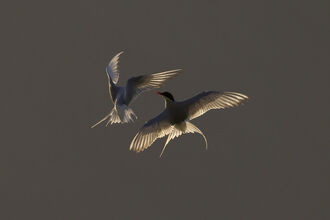
Ocean odysseys
Take a glimpse into the journeys of three incredible ocean wanderers.
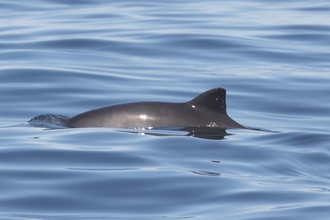
What is bycatch, and how does it impact Suffolk's marine wildlife?
A new report reveals the devastating impact of bycatch on British marine wildlife. In this blog, we explore what bycatch is, the impact…
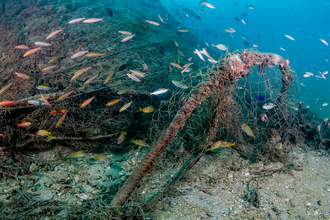
Suffolk Wildlife Trust welcomes ban on bottom trawling
Suffolk Wildlife Trust welcomes ban on bottom trawling as well as a step towards meaningful protection for Suffolk’s only Marine…

