

Gunton Meadow - Steve Aylward
Gunton Meadow Nature Reserve
Location
OS Map Reference
TM539961View on What3Words

Know before you go
When to visit
Opening times
Dawn until duskBest time to visit
May to JulyAbout the reserve
Gunton Meadow is a unique part of Lowestoft’s natural history; an enduring remnant of the vast wilderness that once surrounded the town.
As Lowestoft has expanded over the centuries, development has gradually chipped away at the old meadows and ancient woodland on its edges. However, Gunton Meadow stands as an example of what remains: a small but mighty nature reserve, home to butterflies, frogs, newts, and rare wildflowers.
When the site was threatened with development by the neighbouring supermarket, local people joined forces with the Suffolk Wildlife Trust team to save it from being lost forever. The meadows had been sadly neglected for many years, but after securing the site, we restored much of the grassland habitat. This allowed orchids, wildflowers, and grasses to flourish once again, supporting a boom in butterflies and pollinators - proving that when we make space for wildlife, wildlie will bounce back.
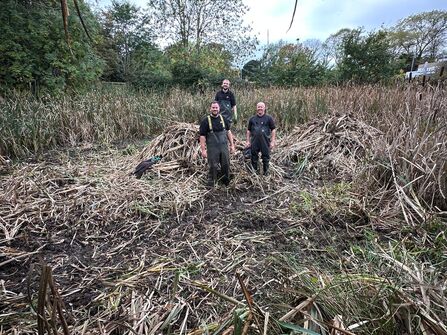
Areas of scrub across the site are now important nesting habitat for bullfinches, greenfinches, and long-tailed tits over spring and summer. In the colder months, large flocks of finches can be seen feeding high in the trees. The restored and newly created ponds have become home to newts, frogs, and toads, supporting their entire life cycle from frogspawn in the ponds, to tiny froglets on the water’s edge in summer, to adults feeding on insects in the meadows.
Environmental designation
Warden's photos
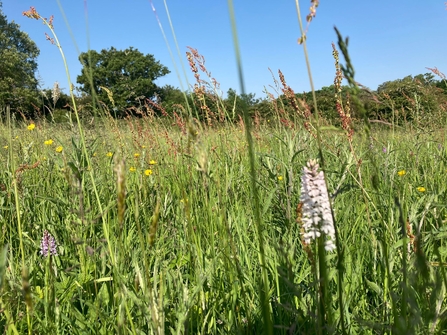
Common spotted orchids at Gunton Meadow - Matt Gooch
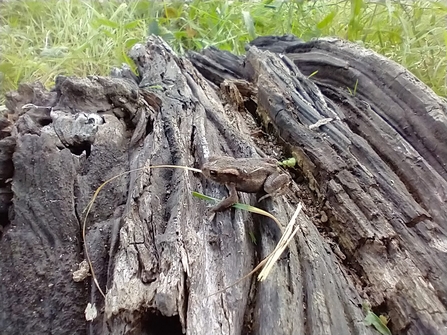
Common toad at Gunton Meadow - Lewis Yates
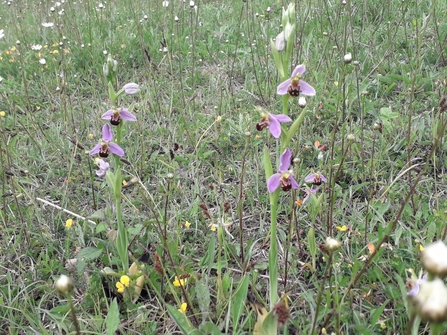
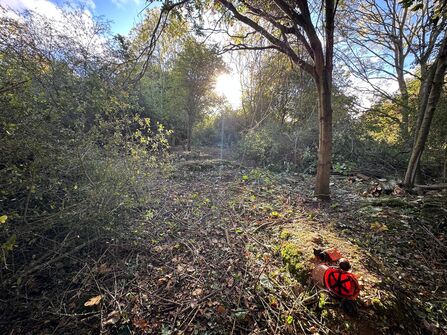
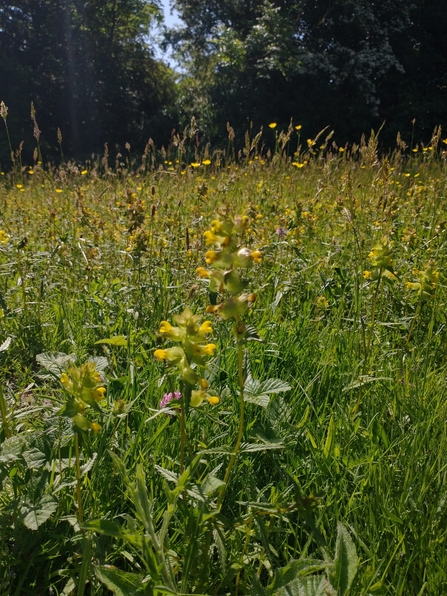
Gunton Meadow - Ellen Shailes


