Bioacoustics reveal bat strongholds in southern Suffolk

Bioacoustics reveal bat strongholds in southern Suffolk

The Connecting Constable & Gainsborough Country project is uncovering the rich wildlife of south Suffolk, using bioacoustics to map species across 17,700 hectares.

Since 2024, we’ve been working with farmers and landowners across south Suffolk and the Stour Valley to establish a new Landscape Recovery project – Connecting Constable & Gainsborough Country – that aims to restore wildlife habitats and boost sustainable farming. 

The project covers a vast 17,700hectare area – roughly 5% of Suffolk’s land – extending through the Stour, Brett, and Box valleys. Its goal is to create, enhance, and maintain wildlife corridors by reconnecting ancient woodlands and supporting nature-friendly farmers. 

Connecting Gainsborough and Constable Country Illustration

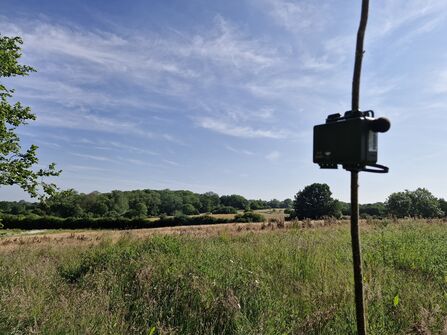
To build a picture of the state of nature across the project area, two years of surveying and monitoring have been underway, including the use of bioacoustic techniques that avoid disturbing sensitive species and delicate habitats. 

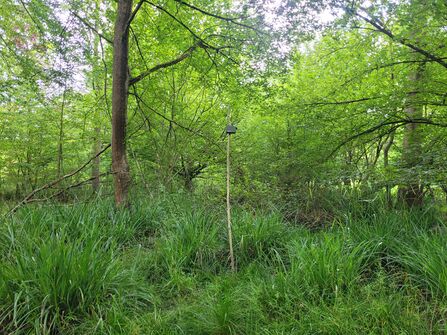
Sound recorders were deployed in woodlands, arable fields, and grassland habitats to collect audio data, which was then analysed to assess bird, bat, small mammal, and insect populations. 

Headline findings include: 

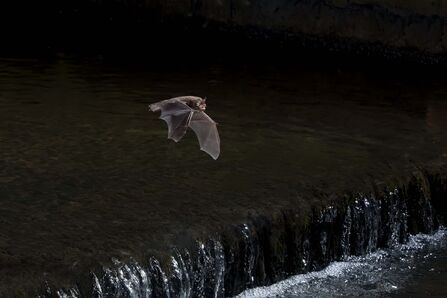
  • 10 bat species recorded - out of the 13 present in Suffolk.
  • 108 bird species recorded, including 26 redlisted and 29 amberlisted species.
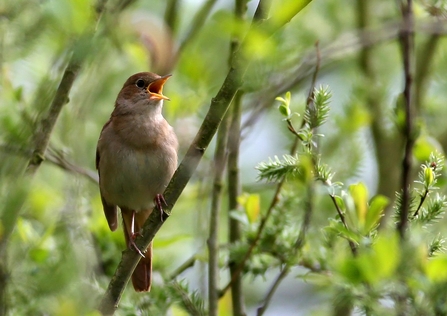
  • Nightingale calls detected 8 times across 4% of sites.
  • Turtle dove detected 61 times at 2% of sites.
  • Lesser spotted woodpecker, corn bunting, redstart, firecrest, and hawfinch were unexpectedly recorded.
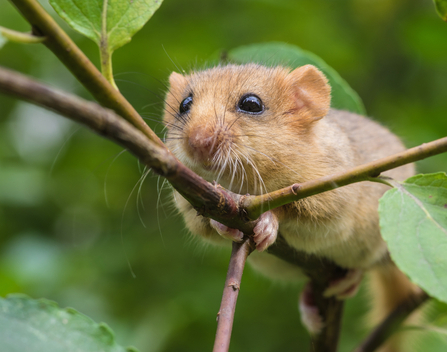
  • Hazel dormouse detected 7 times at 2% of sites.
Lizzie Thurston

Lizzie Thurston, Project Officer (Connecting Constable and Gainsborough Country) at Suffolk Wildlife Trust

Lizzie Thurston, Project Officer at Suffolk Wildlife Trust, said:

"Working with two farmer clusters has been an incredible opportunity to share ideas and a passion for the landscape and food production, with the goal of enhancing wildlife and creating a more sustainable, wilder Suffolk. Partnering with the BTO team to monitor existing species gave the project an engaging and informative start."

An important stronghold for bats 


Ten bat species – out of the 13 known to occur in Suffolk – were recorded across the project area, including several considered vulnerable and of high conservation concern. The team was particularly excited to find a widespread presence of barbastelle bat, detected at an impressive 96% of survey sites. Suffolk is already recognised as a national stronghold for this rare species, and these latest results further prove the county’s importance as a key refuge. 

Other species were also found to be thriving. The Serotine bat was recorded at 91% of sites and the nearthreatened Leisler’s bat was detected at 72% of sites, highlighting their strong presence across the landscape of south Suffolk 

These findings demonstrate the richness of Suffolk’s bat populations and highlight the significant role the Landscape Recovery project can play in supporting and safeguarding the future of these remarkable species. 


The power of bioacoustics 


Working with experts from the British Trust for Ornithology (BTO), we recorded and analysed extensive sound data across southern Suffolk; most importantly of bats, which use echolocation (sounds produced in their larynx) to navigate and find food at night. 

Sound analysis allowed us to distinguish between feeding and social calls, offering a unique glimpse into bat behaviour throughout the year. For example, recordings revealed that common pipistrelle show particularly intense feeding activity during the summer months, suggesting peak foraging periods when food availability is highest. 

The results also provided insight into soprano pipistrelle social behaviour, with a noticeable spike in social calls later in the season (October/November) – behaviour likely linked to mating activity. 

These patterns deepen our understanding of how different species use the landscape throughout the year, helping to inform more targeted and effective conservation efforts. 


Next steps 


As the Connecting Constable & Gainsborough Country project develops, bioacoustic monitoring will continue across the area to build an even clearer picture of wildlife in south Suffolk and the Stour Valley, guiding our conservation and restoration work. 

A proposal for the project has been submitted to Defra (Department for Environment, Food and Rural Affairs) to help turn the ambition for a wilder, more productive landscape into reality.