

Scrape at Black Bourn Valley nature reserve.
Wilder Rivers
Rewilding our rivers is essential to create healthy landscapes for wildlife and people.
The UK has some of the worst river pollution and water quality in Europe, but we have a strategy to clean up Suffolk's rivers and restore the county's natural river habitats.
Our Wilder Rivers Strategy guides all our works on rivers habitats and river wildlife in Suffolk - as is in-line with our championing goal to restore 30% of Suffolk's land and sea for wildlife by 2030. We cannot do this alone, which is why we're working with farmers, landowners, and communities across the county to support their efforts for cleaner, wilder rivers.
Wilder Rivers: Our Vision
By 2030, we'd like to see...
Suffolk's rivers in functioning naturally with diverse habitats and with enough clean water to meet the needs of wildlife and people.
Where there is space, rivers are connected to their floodplain and have wild margins, linking habitats across the landscape. Decision makers, local industry, landowners, communities, and individuals all value naturally functioning rivers and floodplains, and act to protect them.
Wilder Rivers: Our Goals
To recover nature in our rivers by 2030, we will...
- Focus on creating and delivering large and ambitious river, riparian and floodplain habitat restoration projects.
- Enable action for rivers at scale through advice and training.
- Advocate for positive change for rivers and river wildlife.
- Deliver high quality work at scale by focusing resource on larger scale projects with greater impact.
- Complete a county-wide water vole survey.
Advice for river restoration
Different river species need a variety of microhabitats within a river to thrive. Some species will prefer the sheltered waters on the inside of a river bend, while others will benefit from faster-flowing sections. Plant material in the river channel provides cracks and crevices for river invertebrates to hide in, which in turn provide food for fish and other animals. In the past humans have taken away this brilliant diversity through intensive management or by straightening rivers and putting them into reinforced channels.
If you would like further advice, or would like to arrange an advisory visit to your site, you can get in touch with our Wilder Landscapes team: wilder.landscapes@suffolkwildlifetrust.org
Our Wilder Rivers work is made possible thanks to the support of Anglian Water, Environment Agency, and Essex & Suffolk Water.
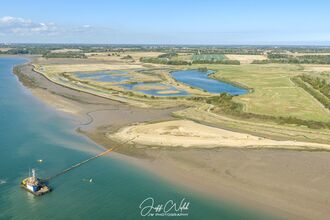
New project on the Orwell Estuary to restore vital wildlife habitat
We are partnering with Harwich Haven Authority to restore vital bird habitat at Trimley Marshes on the Orwell Estuary.
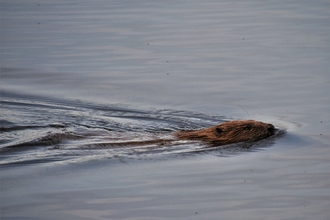
How Suffolk Wildlife Trust will support beaver reintroduction
After many years of research, trials, and campaigning – including from the Wildlife Trusts – beaver reintroduction in England was…
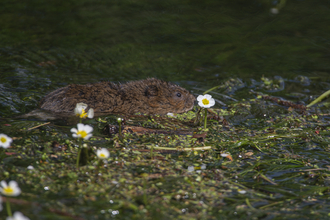
New water vole surveys hope to save endangered mammal
Water voles are considered an endangered species in the UK. These semi-aquatic mammals are one of Suffolk Wildlife Trust’s thirteen “…


