How bugs communicate

How bugs communicate

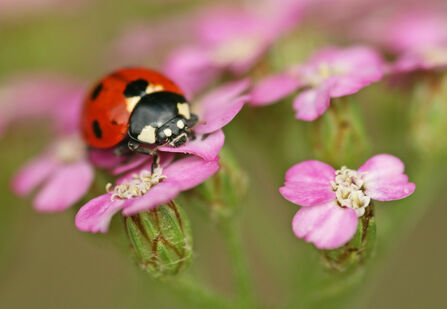
14-spot ladybird © Amy Lewis

Insects are amazing, find out some of the fascinating ways they 'speak' to each other using different techniques in this blog.

Bugs are some of the cleverest creatures and use everything from chemical signals (pheromones) to different forms of light wavelengths ( including ultraviolet), visual signals and sound to find their mates or seek out the best food source.

Now experts, known as entomologists, are working closely with scientists in the lab to understand the different skills at play in the insect world. By gaining a full appreciation of the different ways insects communicate, it becomes easier to create more environmentally-friendly methods of protecting crops and reducing the impact of today’s dangerous pesticides. 

This was what we learnt in the Wildlife Live Webinar: Bugs on Move with entomologist Dr Ian Bedford who shared his passion for the natural world and his incredible knowledge on insects.

Love is in the air 

Dr Ian revealed that the most common signals bugs employ to communicate are chemical. Easiest to think of as a ‘chemical perfume’, many insects release pheromones to communicate. One use of this neat trick is for mating; by giving off a chemical signal insects can alert potential mates to their location and let them know they are looking for love. The vapourer moth is a great example of this. The female emits a pheromone so strong it can be detected by males from up to 6 miles away! 

Did you know? Ladybirds are also known for their strong pheromone signals.

The ‘eyes’ have it

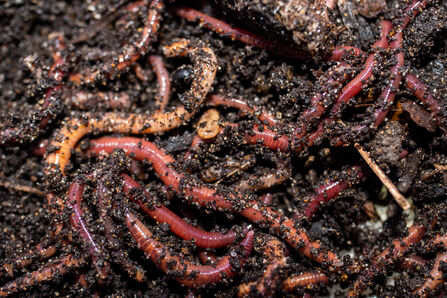
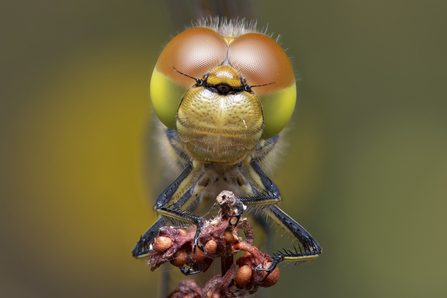
Visual signals, meanwhile, are employed by a wide range of insects and invertebrates. Even without what we would easily recognize as eyes, insects and invertebrates can detect their surroundings using light. Worms have light sensitive sensors on their bodies to let them know when they’re out of the ground; jumping spiders use lenses on their heads that tell them where their prey is so that they pounce most accurately; and dragonflies have an impressive 30,000 lens on each of their eyes, which help them determine the speed or trajectory of their prey.

As if this is not fascinating enough, Ian went on to explain that other signals, such as ultraviolet and infrared light are responsible for some moth species being able to distinguish males from females. Their wings give off different patterns of UV or polarized light depending on their sex. 

The sound of music

Finally, sound is employed by many creatures and it’s no different in the insect world.

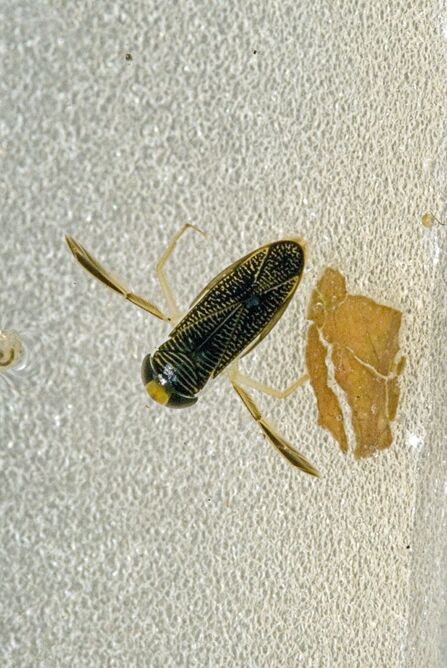
The lesser water boatman is the loudest animal on earth relative to its size. It creates noise by rubbing together parts of it’s body. Amazingly the sounds can be heard by the human ear despite the boatman only measuring 2mm in size! (In comparison a 5p coin is 18mm)

To ward off its prey, the peacock butterfly can rustle its wings to make a hissing sound like a snake; while white flies make different drumming sounds to attract their right mate. 

Learn more with us

If this all sounds amazing, why not join us for the next Wildlife Live Webinar and discover more incredible facts about the natural world!?