

Great crested newt
Amphibians
Restoring wetland habitats for Suffolk's amphibians
The UK's amphibians are facing big challenges, with nearly a third of native species under threat of extinction due to habitat loss, pollution, and climate change. In Suffolk, we have nationally significant populations of some of the country's rarest amphibians - including great crested newt and natterjack toad.
Amphibians rely on a diverse, well-connected landscape with clean wetlands and sheltered ground to support their complex life cycles. Ponds, lakes, marshes, bogs, hedgerows, and long grass are all vital for amphibians to breed and forage. For example, natterjack toad rely on a specialist patchwork of open, warm, and shallow ponds alongside sandy heathlands and coastal marshes - a combination that's unique to the Suffolk coast.
At Suffolk Wildlife Trust, we are protecting and restoring the environments that amphibians need to survive, and working on our nature reserves and with other landowners to create and restore ponds and other amphibian habitat.
Since 2020, we have created over 200 large wildlife ponds, specifically designed to help frogs, toads and newts.
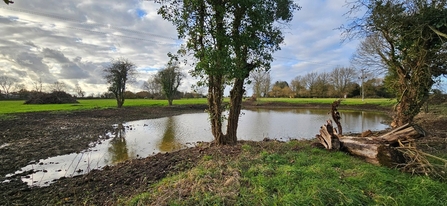
Graham Hart
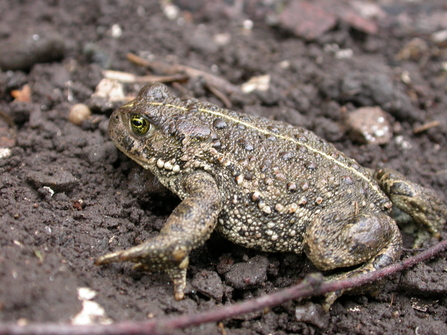
Natterjack toad - Philip Precey
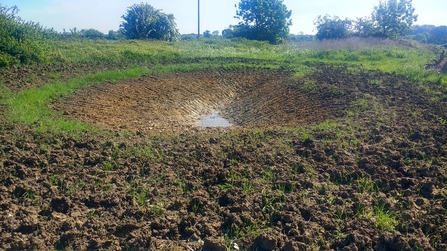
Pond recently created for great crested newts
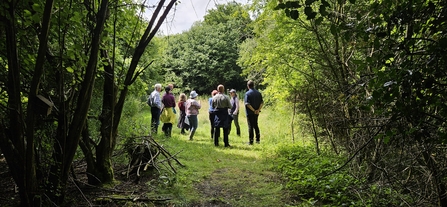
Graham Hart
How Suffolk Wildlife Trust is helping amphibians
Working with farmers, landowners and communities
Our Farm Wildlife Advice, Wilder Landscapes, and Wilder Communities teams are supporting local farmers, landowners, community groups, councils and schools to make their green and blue spaces better for amphibians.
In particular, our Conservation Adivsers support Private Nature Reserve (PNR) owners and County Wildlife Site (CWS) managers to restore and create ponds specifically targetted to provide habitat for endangered great crested newt, natterjack toad and other rare amphibians.
We've adviced the restoration and creation hundreds of freshwater ponds across the county, hosted workshops and projects with rural communities, and supported neighbourhoods to become more amphibian-friendly by rewilding areas with aquatic habitat, long grass, and wildlife shelters.
Find out more:
Managing habitats on our nature reserves
On our nature reserves across the county, we do a lot of work creating new ponds to support local amphibian populations.
Within many of our reserve management plans, we have works that are specifically designed to protect amphibian habitats and create even more spaces for them to survive and thrive. Reserves such as Carlton Marshes, Groton Wood and Gunton Meadow are key locations for amphibians in Suffolk because of their combinations of pond, marsh, and ancient woodland habitat.
Most recently, at Black Bourn Valley we now have 20 ponds; and the reserve has been recognised as a nationally important place for pond wildlife.
By delivering habitat management and creation on our reserves that’s targeted for amphibians, we’re stablising and restoring Suffolk’s amphibian population. Proving that if we make space for wildlife, wildlife will come.
Campaigning for nature-positive policy
Intensive agriculture, housing development, and infrastructure projects are the biggest contributors to habitat loss and fragmentation, driving amphibians out of their natural habitats. Therefore, it's important that local planning policy considers amphibians - particularly protected species such as great crested newt and natterjack toad - in their decision-making.
Our Planning & Advocacy team engaged with local councils, MPs, and developers to ensure local wildlife and wildlife habitats are not impacted by new development in Suffolk. They also work with water companies to challenge river pollution, and encourage new housing developments to include ponds and meadows in their plans.
We're also working with the Wildlife Trusts federation on national campaigns to uphold environmental regulations and halt nature's decline.
Get involved:
Six ways you can help amphibians
There are lots of thing we can all do to help Suffolk's amphibians, from creating wildlife-friendly gardens and rewilding green and blue spaces, to recording sightings and supporting Suffolk Wildlife Trust.


FAQs & useful links
I've found a frog, toad or newt, what do I do?
If you find a frog, toad or newt in your home or garden, generally the best thing to do is to leave it alone.
If it's in danger from being runover or eaten by a pet, carefully pick them up with a piece of cardboard or a plastic container and move it to a safe, damp, and shady spot nearby.
DO NOT touch a frog, toad or next with your bare hands. Amphibians have very sensitive skin that is permeable, meaning liquids (such as natural oils on our skin) can pass through their skin.
My neighbour is destroying amphibian habitat, what do I do?
Some species of amphibians are a legally protected species under the Wildlife and Countryside Act 1981, meaning it is illegal to kill or capture them without a licence. They are also protected from cruelty under the Wild Mammals Protection Act 1996.
The habitats of protected species such as great crested newt and natterjack toad are also strictly protected by law, meaning it's illegal to destroy, remove or disrupt their habitat.
If a wildlife crime is in progress, call the police on 999. If you suspect a wildlife crime has been committed, or may soon be committed, call the Rural Crime Team on 101.