

Christopher Morgan courtesy of British Hedgehog Preservation Society
Hedgehog
Working together to save Suffolk's hedgehogs
The numbers of hedgehogs in the UK are declining, mostly because of habitat loss and fragmentation and declining insect populations. Our modern landscape is fragmented by houses, roads, walls, fences and intensive farming, making it increasingly difficult for hedgehogs to navigate safely in their search for food and shelter.
However, there is hope. Reports by the People’s Trust for Endangered Species and the British Hedgehog Preservation Society indicate that hedgehog decline in our towns and cities may be slowing, suggesting the actions people are taking in their own neighbourhoods are making a real difference.
Suffolk Wildlife Trust is working with communities, schools, landowners, and local councils across Suffolk to stop the decline in our hedgehog population, and to restore and reconnect the wildlife-rich habitats they need to survive.
How Suffolk Wildlife Trust is helping hedgehogs
Working with communities, schools and landowners
Our Wilder Communities and Wilder Landscapes teams are supporting local community groups, councils, schools, and landowners to make their gardens and green spaces better for hedgehogs.
We've built and installed hundreds of hedgehogs homes across the county, hosted workshops and projects with urban communities, and supported neighbourhoods to become more hedgehog-friendly by making fence holes and wild patches to provide hedgehogs with the habitat and food they need to survive.
Get involved
Campaigning for nature-positive policy
Intensive agriculture, housing development, and infrastructure projects are the biggest contributors to habitat loss and fragmentation, driving hedgehogs out of their natural habitats. Therefore, it's important that local planning policy considers hedgehogs - and other wildlife and habitats - in their decision-making.
Our Planning & Advocacy team is engaging with local councils, MPs, and developers to ensure local wildlife and wildlife habitats are not impacted by new development in Suffolk. They also encourage new housing developments to include hedgehog holes, hedgehog homes, and wildflower areas in their plans.
We're also working with the Wildlife Trusts federation on national campaigns to uphold environmental regulations and halt nature's decline.
Get involved:
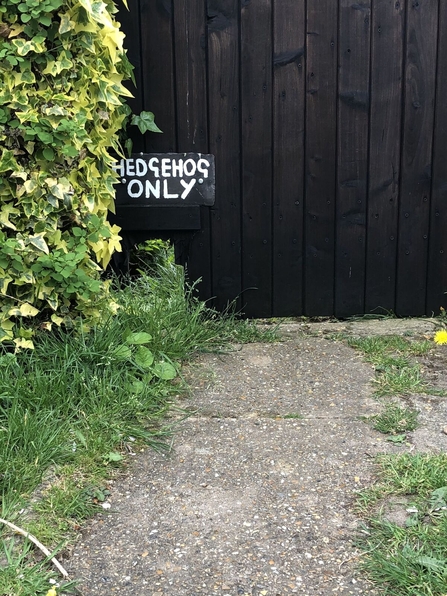
Hedgehog Highway in Ipswich

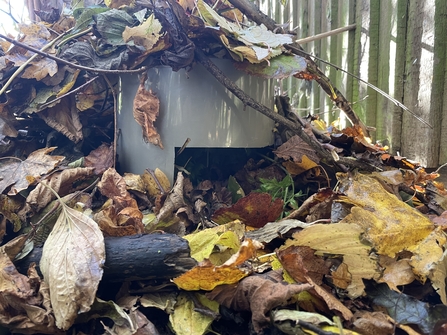
Six ways you can help hedgehogs
There are lots of thing we can all do to help Suffolk's hedgehogs, from creating wildlife-friendly gardens and rewilding urban green spaces, to making hedgehog holes and building hedgehog homes.


FAQs & useful links
I've found a hedgehog, what do I do?
If you find Hedgehogs usually hibernate between November to mid-March, but they can sometimes be seen out and about during this period if they're changing nesting sites. It's unusual to see a hedgehog around during winter or in daylight, so if you do see one and it looks unwell, it might need a helping hand.
But remember: hedgehogs are wild animals, so being handled can be an extremely stressful experience for them.
Monitor the hedgehog from a distance, and ONLY intervene if...
- The hedgehog is staggering around or obviously injured eg. with a broken leg or severe open wound.
- The hedgehog has been laying still for a long time, out of it's nest.
- The hedgehog has flies around it.
If you're unsure whether or not you should intervene, contact a specialist group before trying to help.
If you decide to intervene, here's what to do:
- Prepare a cardboard box with high sides by lining it with a towel or scrunched up newspaper (so that the hedgehog can hide).
- Find yourself a pair of gardening gloves before gently scooping up the hedgehog into the box.
- Keep the box in a quiet, warm place: a hot water bottle filled with hot tap water wrapped in a towel can provide a gentle heat source – make sure it doesn’t go cold!
- You can provide some fresh water and meaty cat or dog food, but don't try to feed the hedgehog directly.
- Contact Suffolk Prickles, who can offer in depth advice and help you find a local rescue or rehabilition site to care for the hedgehog if necessary.
It's also a good idea to record your sighting to The BIG Hedgehog Map. The date you provide helps to get a better picture of how hedgehogs are faring across Suffolk and the UK.
My neighbour is destroying hedgehog habitat, what do I do?
Hedgehogs are a legally protected species under the Wildlife and Countryside Act 1981, meaning it is illegal to kill or capture them without a licence. They are also protected from cruelty under the Wild Mammals Protection Act 1996.
However, sadly, unlike some protected species, hedgehog habitats are not legally protected from destruction or disruption, which are the main reasons for their population decline. It is possible, however, that their habitat could be protected if a more highly protected species is present.
If a wildlife crime is in progress, call the police on 999. If you suspect a wildlife crime has been committed, or may soon be committed, call the Rural Crime Team on 101.
What should I feed hedgehogs?
A hedgehog’s favourite food is invertebrates, such as beetles, caterpillars, earthworms, earwigs, and slugs. Creating invertebrate-rich wild spaces, such as long-grass meadows and deadwood, is the best way to provide hedgehogs with natural, year-round food sources.
Putting out a small amount of extra food during the colder months can help hedgehogs to top up their energy reserves through cold and harsh weather. Use plain kitten biscuits or meat-based wet dog or cat food. You can also use specialist hedgehog food, but keep in mind that this is not regulated and can vary in quality, so always check the ingredients.
Put out fresh food at dusk and directly on the ground, as dishes can quickly spread disease between hedgehogs.
Don’t forget a clean dish of fresh water!
Hedgehog fact file
Status
Hedgehogs are now classified on the IUCN Red list as vulnerable to extinction in the UK. Between the years 2000-2014, urban populations have declined by up to a third, and rural populations by over half. See the State of Hedgehogs 2022 Report for more information.
Diet
Feeds mainly on macro-invertebrates such as beetles, caterpillars, earthworms and spiders and will infrequently eat slugs, snails, eggs, frogs and fallen fruit.
Habitat
Found in a wide range of habitats, both in urban and rural areas. Common in gardens but in rural areas tend to utilise edge habitats and hedgerows. Absent from wet habitats, pine forests and hilly regions.
Hibernation
This is a flexible process influenced by temperature and food availability. Hogs will often wake up several times during winter and may even move nests. Winter nests are made from fallen leaves under support structures such as log piles, brambles or sheds.
Movement
Can travel ~2km in night, making access through gardens incredibly important. One hedgehog has been recorded travelling 9km in one night!
Breeding
Can breed any time between April- September with the peak season being May-June. Litter sizes are often 4-5 hoglets, with just 2-3 of these surviving to independence.
Predators
The main predator of the hedgehog is the European badger, but it can also be predated upon by foxes and pet dogs.
Disease & Parasites
Parasites are common inhabitants of hedgehogs, especially fleas (which are specific to hedgehogs) and ticks. The presence of these are normal, though overburden of ticks may be indicative of general ill health. Hedgehogs can also have ringworm, lungworm and salmonellosis.
Threats
Hedgehogs face a wide range of threats, including:
- Decrease in availability of natural food and associated habitats, which can also cause genetic isolation;
- Increased vehicle collisions;
- Mortality due to human intervention (inappropriate supplementary feeding or admission to care;
- Accidental death and misadventure eg strimming, robotic mowers – often used at night when hedgehogs are active, falling into steep sided ponds;
- Toxic accumulation, micro-plastics and rodenticides (rodent pesticides).