

Become a member
If you want a future where wildlife is thriving in Suffolk, become a member of Suffolk Wildlife Trust today.
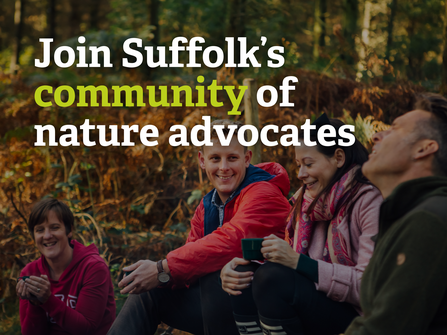
Climate change is pushing nature to its limits, and it can feel impossible to know how to help. But the wildlife and wild places around us need our help now — and acting locally makes a real difference. As a member, you turn concern into action, helping protect nature on your doorstep and joining a passionate local community caring for Suffolk’s wild places.
Choose your membership
What's included in membership?
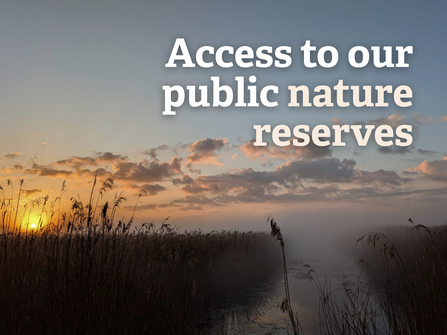
We believe nature should be accessible for all, so all our reserves are free to visit - our members help make this possible.
Becoming a member means standing up for nature in Suffolk and being part of real, lasting change. Your regular support helps care for and restore wild places, protect wildlife, and grow our impact across the county - because the more members we have, the more we can do for Suffolk’s wild.
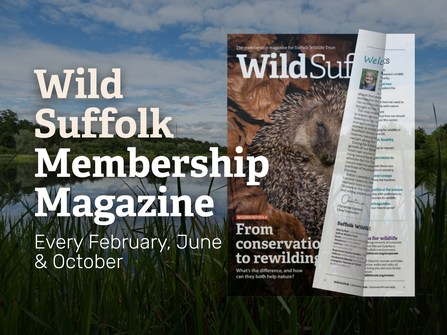
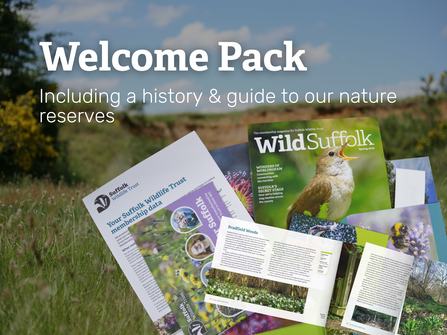
As a member, you’ll feel closely connected to the difference you’re making through updates and our seasonal Wild Suffolk magazines. Upon joining, we’ll send you a welcome pack featuring our beautiful reserves book, A Wilder Suffolk to help you get to know the Trust and welcome you into the community you’re now part of.

Jumper design by Lydia Woods, Member & Winner of 2025 Members' Winter Jumper Design Competition (Adult Category). Design sold on our Teemill store.

How you are helping to bring back nature:
Wildlife conservation work on our nature reserves is one part of what we do. With support from our members, we also:
- Collaborate with schools to integrate nature education, outdoor learning and establish wildlife projects to inspire the next generation of nature lovers
- Work with MPs, councils, developers and businesses to advocate for better planning and policymaking, to defend nature and make its voice heard
- Go out into the community and help people connect with nature, build green spaces in their local area
-
Work with farmers and landowners to promote wildlife-friendly land management at scale
Thanks to our members...

Otters are thriving
Otters were wiped out by pesticide use in the 1960s. Following reintroductions in the 1980s, our work along Suffolk’s river valleys has helped them to spread and thrive. Otters are now more widespread than at any time in living memory.

Water vole - Tom Marshall
Water voles are saved
We entered the new millennium amid fears that water voles could be extinct in Suffolk within a decade. Thanks to our Water for Wildlife project, water voles are now returning to rivers across Suffolk.

Dormice are spreading
Discovering that dormice have spread out of Bradfield Woods into the adjoining hedgerows was the ultimate success for our reintroduction programme. Our goal now is to create a hedgerow network between Bradfield and nearby Bull’s Wood for dormice to move along.

Fen Raft Spider - Helen Smith
Raft spiders are flourishing
After wavering perilously on the brink of disaster, for decades, the future of fen raft spider is finally secure. New populations at Carlton Marshes nature reserve are spreading through the network of Broadland dykes, taking advantage of the restored wetland landscape.

Barn Owl - Anthony House
Barn owls are back
After county numbers fell to fewer than 100 pairs, our nest box programme has helped barn owls to make a come back. There are now more barn owls in Suffolk than there have been for a generation, making Suffolk one of the UK strongholds.

Knettishall Heath - Paul Ham
Nature reserves are growing
In the last decade we have added over 2400 acres of wildlife habitat to our network of nature reserves, from fragments of meadow to swathes of open heath. We have spent almost £4.5 million buying land for wildlife including stunning reserves like Snape Marshes and Knettishall Heath.